How to Use Paints Correctly for Miniature Painting
Using paint correctly is one of the most important parts of getting a clean result when painting miniatures. You don’t need a huge collection of paints to get started, but knowing how to use the paint you have makes a big difference.
Start With Thin Layers
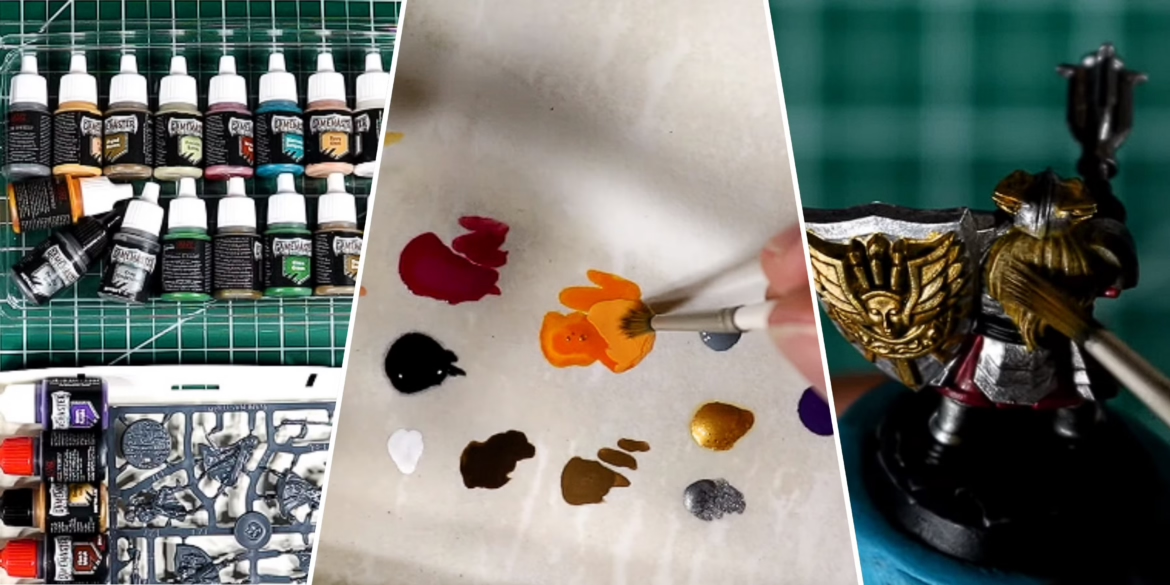
One of the most common mistakes beginners make is using paint straight from the pot. Miniature paints are usually best applied in thin layers. Add a small amount of water to your paint and mix it on a palette until it flows smoothly from your brush.
It’s better to apply two or three thin coats than one thick coat. This keeps the small details and texture of the miniature visible.
Don’t Overload Your Brush
After loading your brush, remove a little excess paint on your palette before touching the miniature. This gives you much more control and prevents paint from pooling in areas where you don’t want it.
A good brush should hold enough paint to make smooth strokes, but not so much that the paint runs everywhere.
Build Up Your Colours
Start with your base colour and gradually build up the miniature. Once the basecoat is dry, you can add darker colours to the recesses for shadows and lighter colours to raised areas for highlights.
Trying to achieve everything in one layer usually makes the miniature look flat. Building up the colours slowly gives you much more control.
Use Different Paints for Different Jobs
Not every type of miniature paint is designed to be used in the same way. Base paints are useful for getting solid colours onto the model, while washes can quickly add shadows to recessed areas. Layer or highlight paints are useful for bringing raised areas back up and adding definition.
There are also paints designed for effects such as metallic surfaces, glowing effects, weathering and textured bases.
Keep Your Paints Clean and Controlled
Always make sure your brush is reasonably clean before changing colours. Avoid letting paint dry in the bristles, and don’t overload the brush all the way to the ferrule.
Most importantly, take your time. Good miniature painting is about building up small improvements rather than trying to finish everything in one go.
With the right paint consistency, a controlled brush and a little patience, even a beginner can achieve a clean and impressive result.